
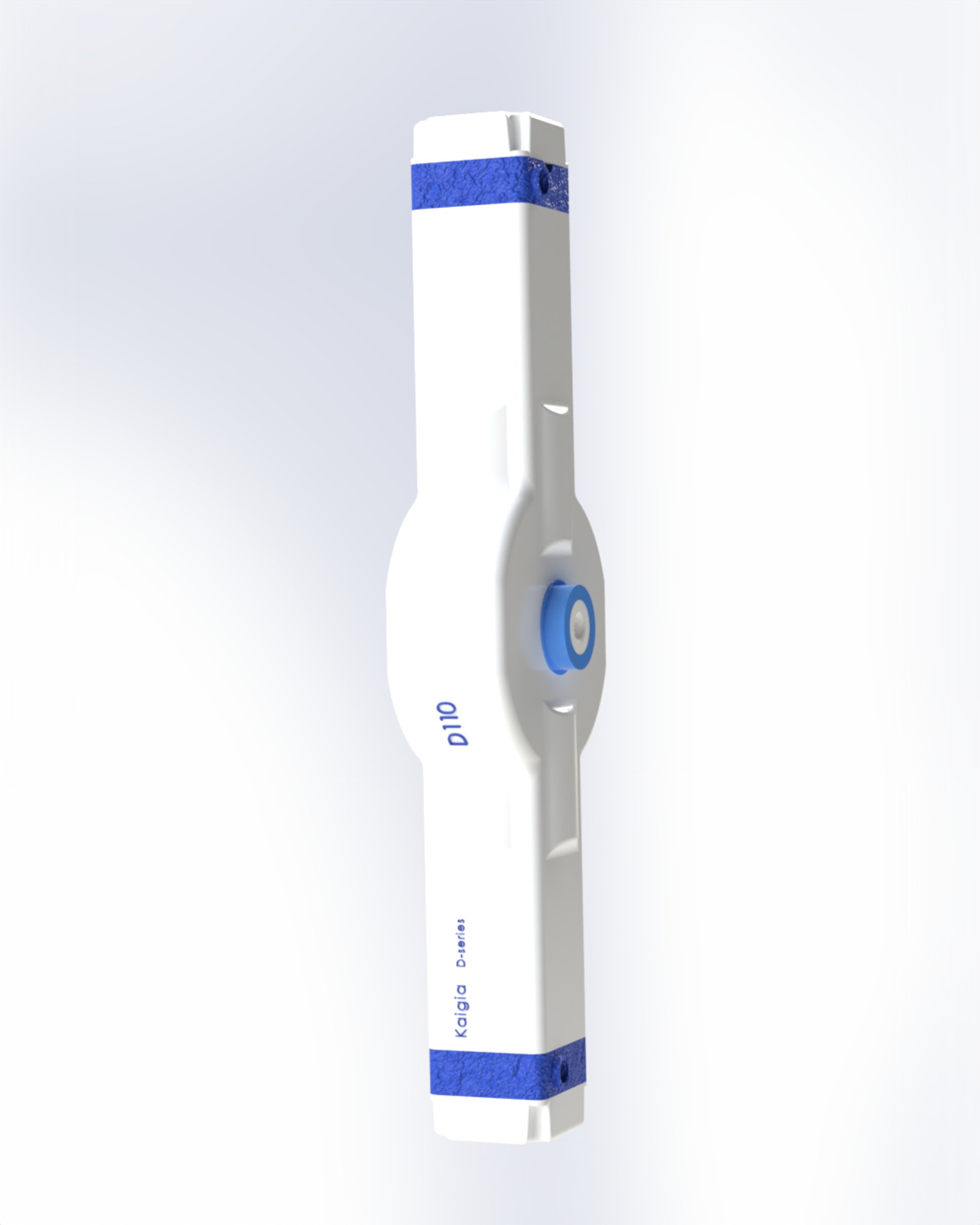
GFM - Precision Engine Architecture for Clean Fuels
Conventional crankshaft engines approximate Otto or Atkinson cycles. Pistons move near a “constant volume” point, but timing and geometry deviate from the ideal thermodynamic path, limiting efficiency and fuel versatility.
Ignivolt’s Green Fuel Motor (GFM) introduces a separate combustion chamber, inspired by proven architectures in aviation and industry, bringing this long-established separation into the internal combustion engine. Advanced ceramics now make this possible, evolving from protective coatings into structural high-temperature components.
The GFM uses controlled piston trajectories through a new cam-based cycle, aligning compression, combustion, expansion and scavenging with their theoretical states. This mechanism enables the physical separation of combustion from the mechanical components.
This precision improves efficiency and enables fuels previously impractical for internal combustion engines, such as hydrogen, and renewable biofuels, across vehicle and platform types. Modular architecture enables scalable deployment from stationary power to heavy duty vehicles.
A New Engine for a Cleaner World
Kaigia’s Green Fuel Motor (GFM) combines modular architecture and variable piston trajectory to achieve optimal combustion for renewable fuels. Slow, complete combustion is made possible for fuels like ammonia and biofuels, while hydrogen is handled with a fast, efficient cycle.
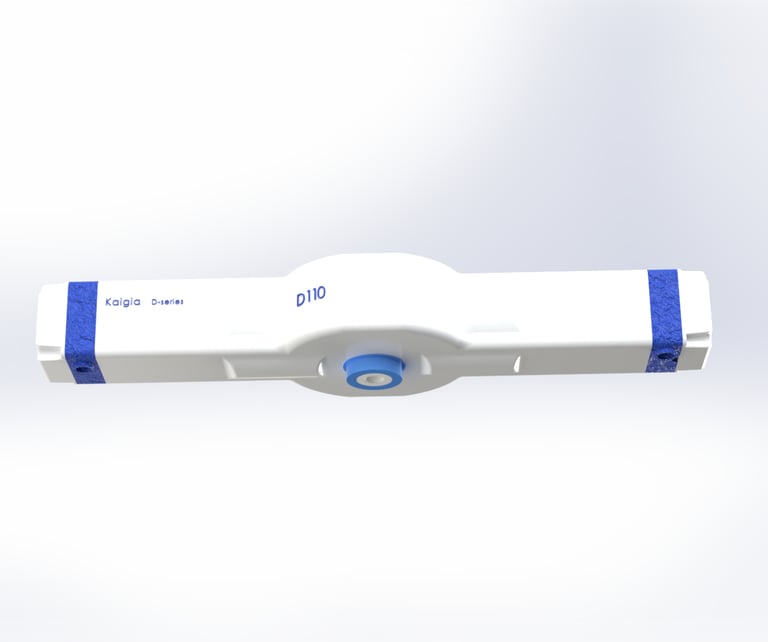
One Green Fuel Motor powering every mode of transport.
With sustainable fuel.
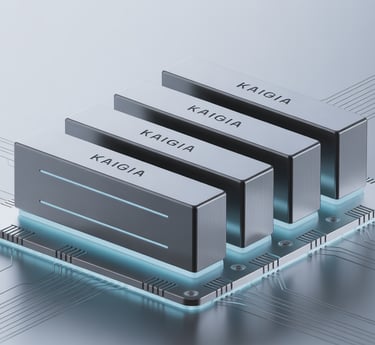




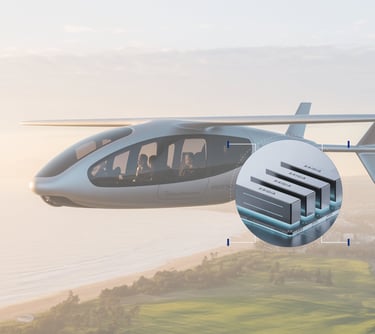
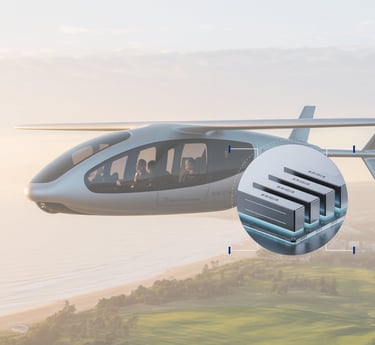
Modular design
Zero emission
Clean-Fuels
New Hybrids
Precision Power for a Multi-Fuel Future
Design Targets & Metrics


High Thermal Efficiency
Designed to reduce losses common in conventional crankshaft engines, the GFM can closely approach the theoretical Otto cycle — potentially exceeding 60% under optimal conditions, rivaling or surpassing today’s most efficient stationary power plants.


Consistent Efficiency Across Loads
Precise piston control maintains efficiency across idle, partial, and high-load conditions, ensuring optimal combustion and minimizing real-world emissions for each supported fuel, while delivering reliable performance across all mobility platforms.




Fuel-Agnostic Operation
Engineered to run on hydrogen, ammonia, biofuels, and synthetic e-fuels, the GFM enables zero- or net-zero-emission propulsion wherever sustainable fuels are available, delivering clean, versatile performance across mobility sectors.
Platform-Agnostic Integration
A genuinely modular architecture lets a single GFM platform adapt seamlessly to multiple vehicles — from UAVs to freight trucks — reducing complexity and accelerating deployment across mobility sectors, unlike conventional engines that are only superficially standardized.
All figures and numbers represent design objectives based on engineering analyses and simulations. A first single-cylinder prototype is currently underway, with additional prototypes planned for sector-specific validation alongside partners.
Curious how engine cycles evolved so slowly?
→ Read the story:
From Prototype to Market
Explore our four-stage development timeline.


Concept & Simulation
Core architecture and digital twins, enabling multi-fuel flexibility and multi-objective optimization.
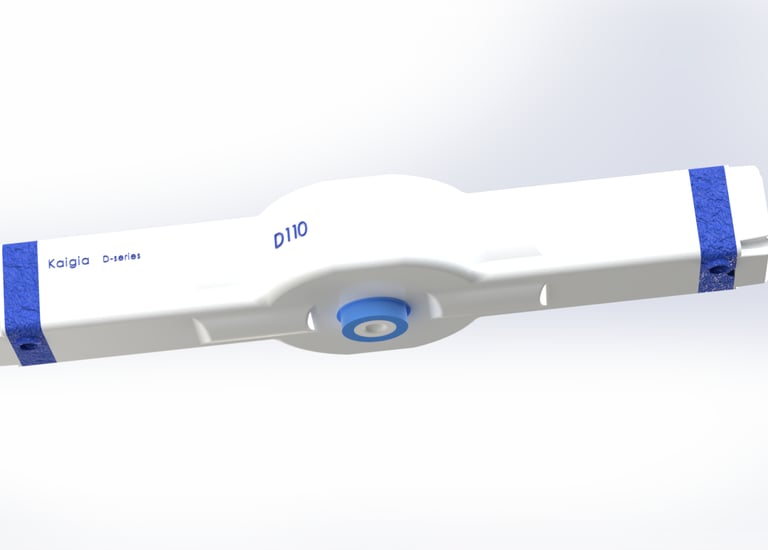
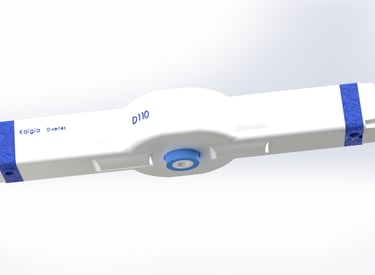
Prototype Development
Iterative mechanism testing to validate the novel architecture, de-risk durability, longevity, and low wear before prototyping.
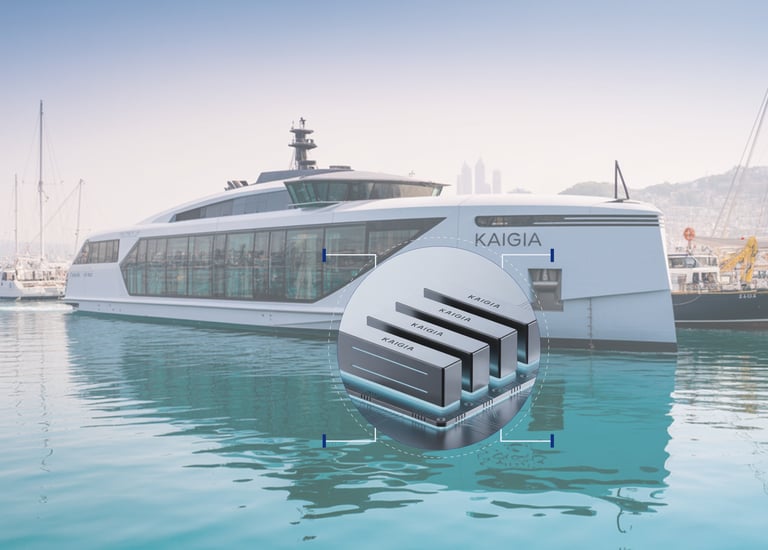


Integration Pilots
Sector-specific pilot programs with OEMs and tier 1 partners.
Certification & Scale
Regulatory approval and commercial production plans.
→
→
→
→
Follow Ignivolt
Partnership news, prototypes, and more.
Contact us
Stay Ahead in Clean Mobility
contact@ignivolt.com
Questions or ideas ? We’re Listening
© 2025. All rights reserved.